
The word “Ecosystem” isn’t used as much as it should be in the transport and Mobility-as-a-Service (MaaS) sector. The term has far more usage in other sectors, such as financial services, where it is now more regularly used by most banks and FinTechs. And increasingly in the Open Finance world of insurers, credit companies, etc.
The term (sometimes also called a Digital Ecosystem) typically refers to a complex network of interconnected people, businesses, and technologies that interact with each other through digital platforms and data. It’s analogous to a natural ecosystem, where different components work together to create a functioning whole.
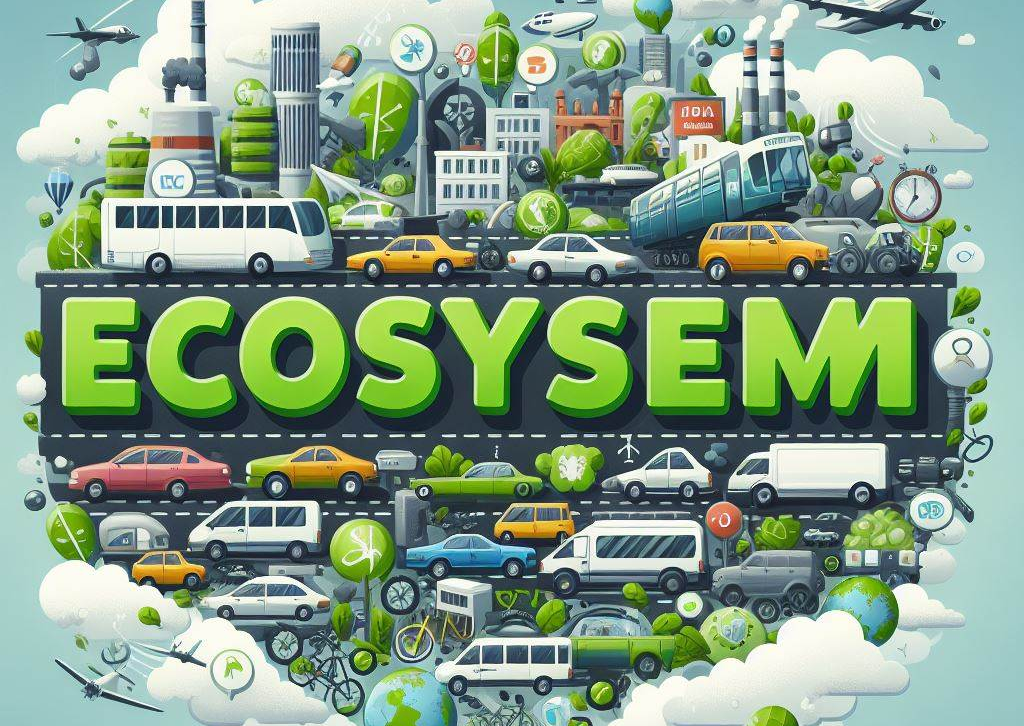
They are important for the following reasons:
1. Enhanced Collaboration and Efficiency:
By fostering seamless data exchange and communication between different entities, digital ecosystems enable efficient collaboration and streamlined workflows. Imagine a supply chain where manufacturers, distributors, and retailers are all connected on a digital platform, enabling real-time information sharing and synchronized operations.
2. Innovation and Value Creation:
Digital ecosystems create an environment where different players can share ideas, resources, and expertise, fostering innovation and the development of new products, services, and business models. This collaborative environment can lead to the creation of significant value for all participants within the ecosystem.
3. Improved Customer Experience:
By integrating various touchpoints and services, digital ecosystems can provide a unified and seamless customer experience. Imagine a travel ecosystem where you can book flights, hotels, and activities all within one platform, with each element seamlessly connected for a smooth and personalized journey.
4. Increased Market Reach and Opportunities:
Digital ecosystems can connect businesses to a wider audience and open up new market opportunities. For instance, an e-commerce platform like Amazon creates a digital ecosystem where small businesses can reach a global customer base they wouldn’t have access to otherwise.
5. Adaptability and Future-Proofing:
By being open and interconnected, digital ecosystems can adapt and evolve more readily to changing market demands and technological advancements. This flexibility allows businesses to stay competitive and relevant in a dynamic environment.
So perhaps it is time transport providers, mobility start-ups and others used the term more often and thought of the entire transport & mobility sector as a single large ecosystem (rather than as different modes, transport authorities & regions, etc.).
 Open Transport - Transport & Mobility Data Interoperability